Every hot-water boiler — cast iron or otherwise — is required by code to have a pressure relief valve installed on it. A pressure relief valve (PRV) opens automatically if system pressure or temperature climbs above a safe threshold, releasing water before a pipe or vessel can rupture. They are unglamorous, they cost between $15 and $60 at the distributor, and most homeowners never think about them until one starts weeping or a contractor flags it on a tune-up report. But the choice between brands matters more than the price gap suggests, especially if your system runs on well water, sits in a hard-use commercial or multi-unit setting, or has been in service long enough that the original valve is overdue for replacement. This article compares Apollo and Watts — two brands that dominate the residential and light-commercial hydronic PRV market — with enough specificity to support a real purchasing decision.
What the Two Brands Are Actually Selling You
Apollo (manufactured by Conbraco Industries) and Watts Water Technologies both produce ASME-rated, lead-free bronze relief valves rated for standard residential boiler operating pressures — most commonly 30 PSI for hot-water heating systems. Both carry the required ASME stamp as defined under ASME Boiler and Pressure Vessel Code, Section IV, Rules for Construction of Heating Boilers. Both will do the job the code requires. The differentiation is in body construction, seal material behavior over time, and how each valve responds to the specific water chemistry challenges that shorten PRV service life.
Watts: Build Quality as a Confidence Signal
The Watts 374A — the forged brass-inlet variant that shows up most frequently in hydronic applications — earns consistent praise from installers and owners for its substantial feel and reliable seating. The forged brass body is noticeably more rigid than cast alternatives, and the threaded connections seal reliably with Teflon tape alone, without pipe dope. The valve seats and seals under clean, treated system water for years without complaint.
Watts’ reputation here is grounded in materials: forged brass alloys resist the mineral-driven dezincification that can gradually pit and weaken cast alternatives. For an owner who will inspect this valve annually and needs it to inspire confidence on a walk-through, the Watts 374A delivers a perceptible quality signal before it ever sees operating pressure.
Apollo
$41.38
In stock on Amazon
Check price on AmazonApollo: Field Reliability Where Conditions Aren’t Clean
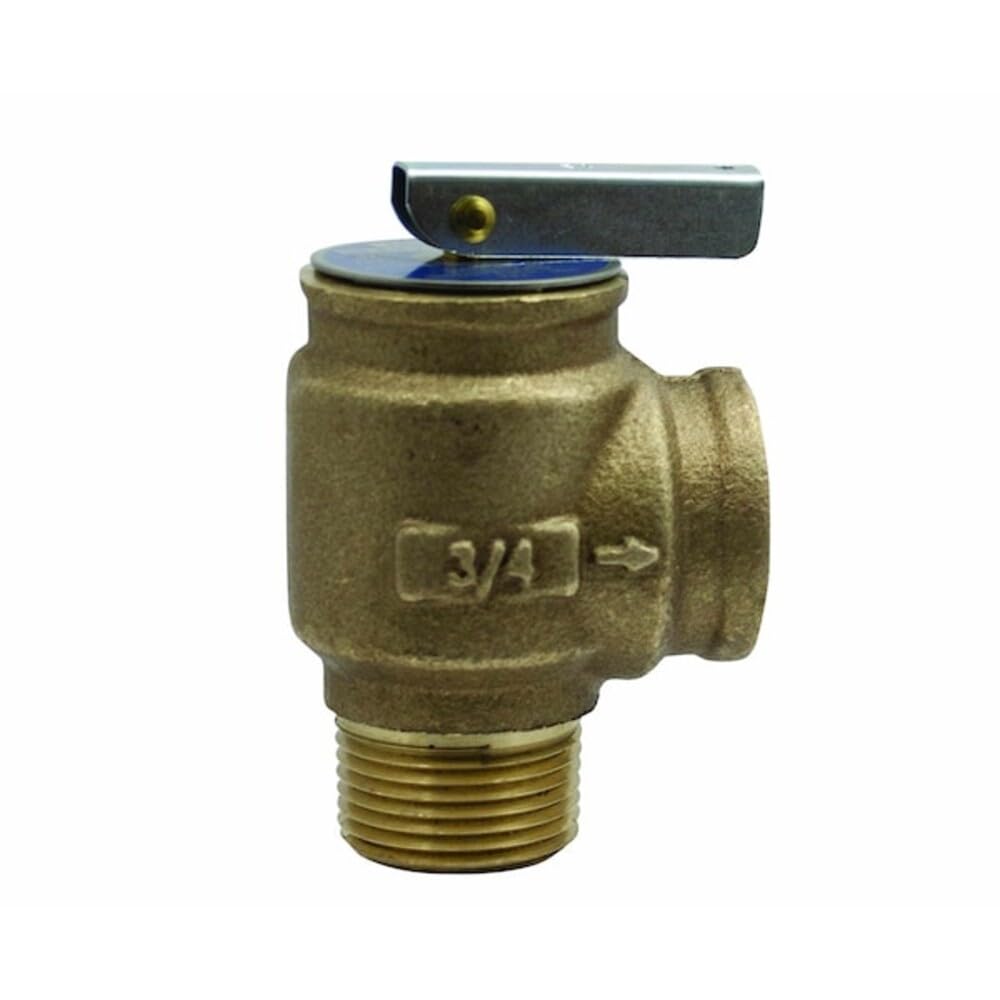
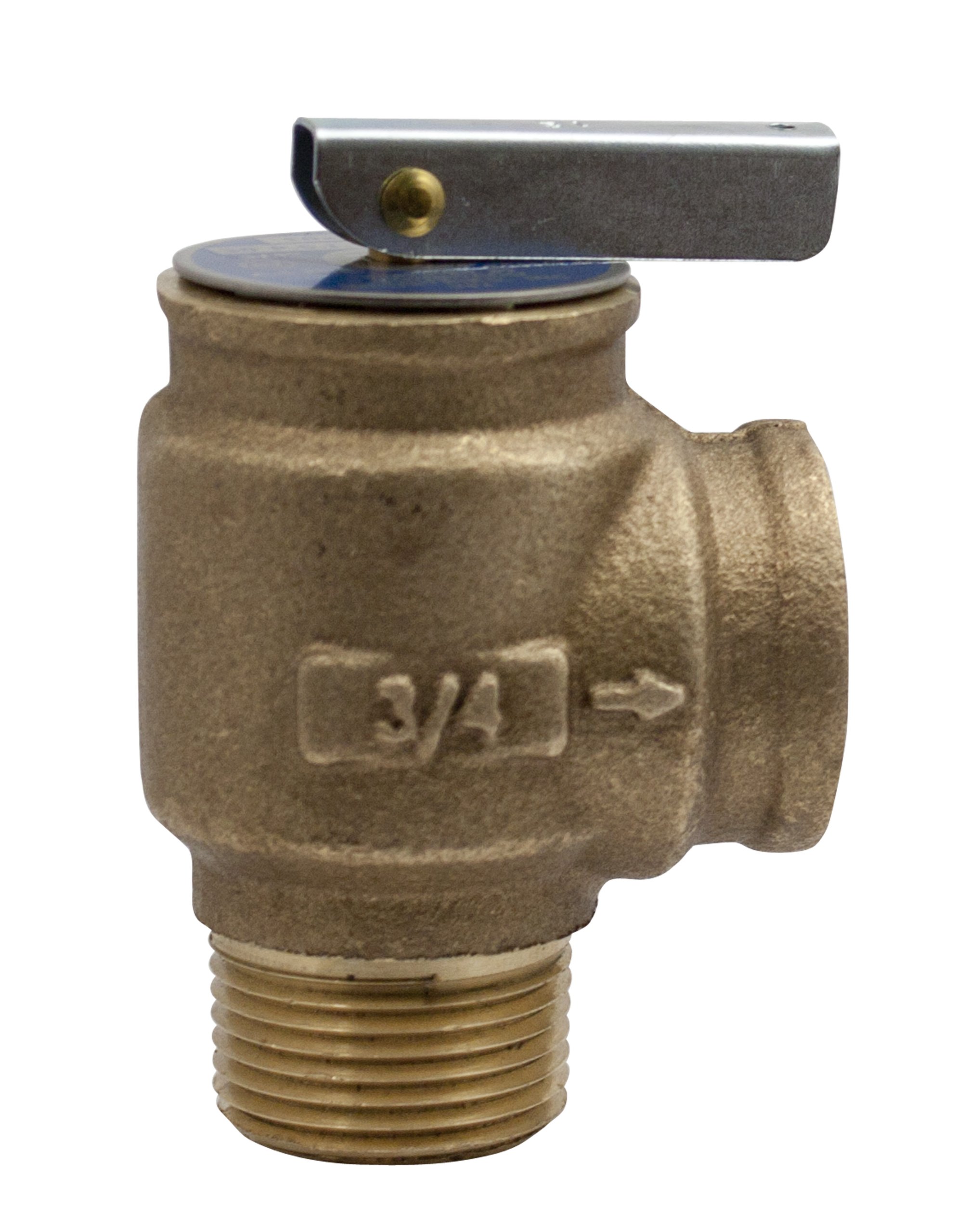
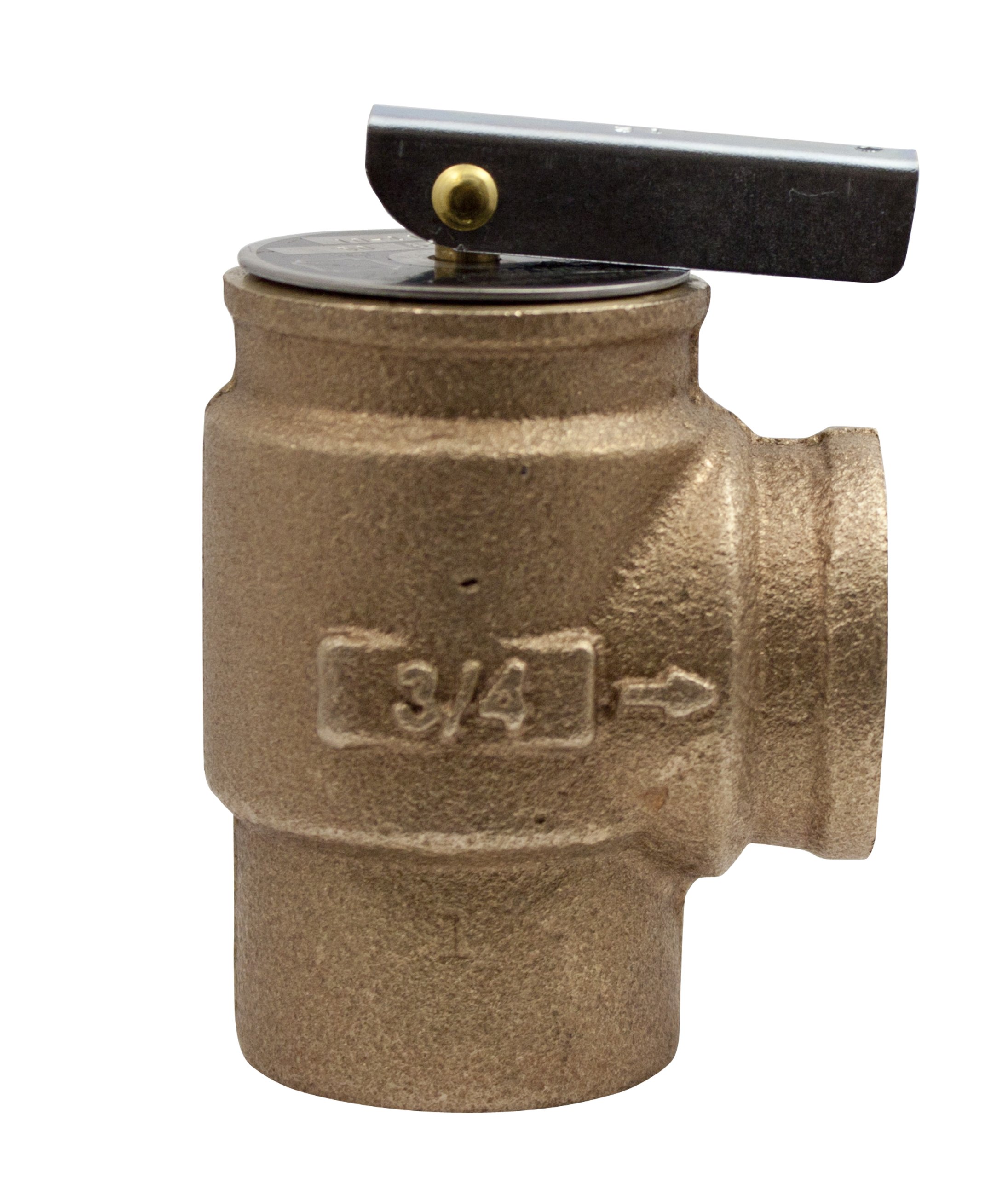
Apollo’s Series 36 relief valves generate a different pattern of field feedback — not about tactile feel, but about practical reliability when water conditions degrade. Contractors and owners who deal with well water describe keeping a spare Apollo on the shelf because mineral content shortens seal life unpredictably. That is not a knock on the product; it is a data point about how the market positions the Apollo line. It is the valve contractors reach for when they need a proven, ASME-compliant PRV at a price point that makes stocking spares operationally practical.
Pool and pool-heater contractors extend that logic further: Apollo 50 PSI valves are commonly purchased in volume to replace significantly more expensive OEM parts — a documented cost arbitrage that reflects genuine trade confidence in the product’s reliability, not simply its price.
Apollo
$34.45
In stock on Amazon
Check price on AmazonComparing the Two Directly
For practitioners who need a side-by-side read before committing to a specification:
| Feature | Watts 374A | Apollo Series 36 |
|---|---|---|
| Body material | Forged brass | Bronze alloy |
| ASME stamp | Yes (Section IV) | Yes (Section IV) |
| Typical residential rating | 30 PSI / 210°F | 30 PSI / 210°F (also 50 PSI variant) |
| Tape-only installation | Confirmed by field reports | Confirmed by field reports |
| Well-water service pattern | Replace on standard cycle | Stock a spare; shorten inspection interval |
| Volume/OEM replacement use | Less common | Documented in pool-heater and multi-unit work |
Apollo
$37.44
In stock on Amazon
Check price on AmazonPerformance Under Well Water and Hard Use
This is the crux of the decision for anyone outside a municipal water service area.
Well water introduces variables that treated municipal water largely suppresses: dissolved iron, calcium carbonate hardness, hydrogen sulfide in some regions, and particulate sediment that municipal systems filter before it reaches your meter. Inside a relief valve, these variables attack the elastomeric seat — the rubber or EPDM disc that seals the valve closed under normal operating pressure — through two mechanisms:
Mineral scale buildup on the seat face prevents a clean seal and causes weeping even when system pressure is normal. The valve appears to be failing, but the underlying cause is chemistry, not mechanical wear.
Accelerated elastomer degradation occurs when aggressive water chemistry breaks down the seat material faster than manufacturer service-life ratings — which are typically based on clean-water testing — predict.
Plumbing & HVAC magazine’s guidance on water quality and relief valve longevity in hydronic systems notes that well-water systems should plan for PRV inspection intervals significantly shorter than the standard recommendation used for municipal-water installations. That interval compression makes the Apollo’s lower per-unit cost and the stocking-spare model operationally attractive: if you are replacing a valve every 18 to 24 months instead of every three years, the cost math changes materially.
The Watts 374A’s forged brass body does provide genuinely superior corrosion resistance on the valve housing itself. But housing corrosion is rarely what kills a PRV on well water. It is the seat. On seat-material longevity in aggressive water chemistry, the field record does not show Watts with a clear advantage over Apollo — it shows both brands facing the same underlying chemistry problem, with Apollo owners simply more likely to have already priced in the replacement cycle.
Reference intervals for planning purposes:
- Standard PRV inspection interval on clean municipal water: every three years, per ACHR News contractor field guidance on relief valve maintenance
- Recommended inspection interval on well water or high-mineral systems: every 18 to 24 months, per Plumbing & HVAC magazine guidance on hydronic system water quality
- Standard residential boiler PRV rating: 30 PSI / 210°F minimum, per ASME Boiler and Pressure Vessel Code, Section IV
Installation Behavior and the Lever-Test Warning Every Installer Needs
Both brands install with standard 3/4-inch NPT threading in the most common residential configurations. Both seal reliably with Teflon tape — skip the pipe dope, which can contaminate the seat material on a new valve.
Here is where the field record contains a warning worth headlining: do not actuate the test lever on a system with old, dirty water. Crud suspended in aged system water can lodge in the valve seat when the lever is flipped, and the valve will weep continuously afterward. The valve itself is not failing — the seat has debris on it — but in practice the result looks identical to a failing valve, and the fix is a full replacement.
This is not a brand-specific failure mode. It is a physics reality for any PRV with a rubber disc seat. ACHR News contractor field guidance on relief valve maintenance consistently advises against lever-testing on systems with more than a few years of service unless the system water has been flushed and treated first.
The correct diagnostic sequence on an old system:
- If the PRV is weeping, confirm system pressure at the expansion tank gauge is within normal range — typically 12 to 15 PSI cold on most residential hot-water systems.
- If pressure reads normal and the valve is still weeping, the seat is fouled or degraded. Replace the valve; do not test it.
- On new valve installation, actuate the test lever only if the system water is clean and recently treated.
Decision Framework: Matching the Valve to the Application
For practitioners with a specification decision pending, the aggregated field record supports the following guidance:
Municipal water, standard residential boiler, owner values build quality: Watts 374A. The forged brass inlet, the solid-body construction, and the clean-installation track record justify the modest price premium. For an owner who will look at this valve for a decade and needs it to inspire confidence on a maintenance walk-through, Watts delivers that signal reliably.
Well water, any residential or light-commercial boiler: Apollo Series 36, and stock a spare. The replacement-cycle reality of mineral-rich water makes the Apollo’s lower per-unit cost the rational variable. The valve performs; the chemistry is the problem. Budget for 18 to 24 month inspection intervals and treat system water with a corrosion inhibitor and scale suppressant — Fernox F1 and Sentinel X100 are the industry-standard products referenced in closed hydronic system maintenance guidance — to extend all component life, not just the PRV.
Volume work — pool heaters, multi-unit residential, light commercial — where OEM PRV costs are a recurring line-item: Apollo 50 PSI valves as OEM replacements represent a documented cost arbitrage. Buying in volume at a fraction of OEM pricing is a legitimate procurement strategy, not a corner cut, provided the ASME pressure rating matches the application.
High-pressure commercial applications above 30 PSI: Verify the ASME stamp and pressure rating independently for either brand before specifying. A 30 PSI valve on a system designed for 50 PSI is a code violation and a safety failure point regardless of manufacturer.
Frequently Asked Questions
Should I test the lever after installing a new relief valve on an old boiler? Only if the system water is clean and recently treated. On aged systems with dirty water, actuating the lever can lodge sediment in the seat and cause a permanent weep. The safer commissioning move on an old system is to confirm normal operating pressure at the gauge, not to mechanically test the valve.
Does Teflon tape work on relief valves, or do I need pipe dope? Teflon tape is sufficient for both Apollo and Watts PRVs. Avoid pipe dope on the valve inlet — it can contaminate the seat material and cause a weep on an otherwise functional new valve.
How do I distinguish a failing relief valve from overpressure weeping? Check system pressure first. Normal cold-fill pressure on most residential systems is 12 to 15 PSI. A 30 PSI PRV should not open under those conditions. If pressure reads normal and the valve is still weeping, the seat is fouled or degraded and the valve needs replacement. If pressure is elevated, address the expansion tank or fill valve before blaming the PRV.
Why does well water shorten relief valve life, and what can I do about it? Dissolved minerals — calcium, magnesium, iron — deposit scale on the rubber seat face and degrade elastomer material faster than clean-water service-life ratings predict. The response is two-part: inspect and replace on a shorter cycle (18 to 24 months rather than the standard three-year interval), and treat system water with a corrosion inhibitor and scale suppressant. Fernox F1 and Sentinel X100 are the industry-standard references for closed hydronic systems.
Is forged brass meaningfully better than bronze for a residential boiler body? For the housing, forged brass offers marginally better resistance to dezincification in aggressive water — a real materials advantage. In practice, the seat and seal fail first on most PRVs, and both body materials outlast their seals under normal hydronic service conditions. Treat the body material as a meaningful tie-breaker in clean-water applications and a secondary concern in corrosive-water environments where the seat chemistry dominates the failure mode.
Can I install a 50 PSI Apollo valve on a standard residential boiler rated to 30 PSI? No. The pressure rating of the PRV must match the design pressure of the system. A 50 PSI valve installed on a 30 PSI system will not open at the system’s safety threshold, which defeats the valve’s entire purpose and constitutes a code violation under ASME Boiler and Pressure Vessel Code, Section IV. Always match the valve rating to the system design pressure, not to a convenient available part.